Septic Tank Pumping
INSPECTIONS – MAINTENANCE – PUMPING INSTALLATION – LOCATING – DRAIN FIELDS
CALL: 360-558-3532
Septic System Pumping
Pumping a septic tank is not always fun, but Jerry’s Septic can help. We do our best to make it all go as smooth as possible.
Septic System Installation
We will only install the most durable, highest quality, and time-tested septic tanks on the market.
Septic System Inspection
Jerry’s septic tank inspections help in any Real Estate transaction you might be going through.
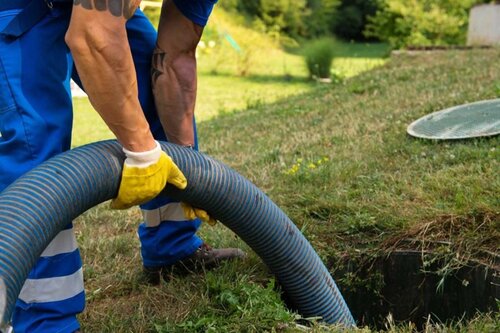
Septic Tank Pumping in Camas, Washington
Septic tanks are crucial components of residential properties, particularly in areas like Camas, Washington, where many homes rely on them for wastewater management. Proper septic tank maintenance, including regular pumping, is vital to ensure the system functions efficiently, prevents environmental contamination, and protects the health of the household. This article explores the importance of septic tank pumping, how it works, and what homeowners in Camas need to know to keep their septic systems in optimal condition.
Understanding the Role of a Septic Tank
A septic tank is an underground wastewater treatment system commonly used in rural areas or homes not connected to a centralized sewer system. It consists of a large, watertight container made of concrete, fiberglass, or plastic, buried underground near the home. The tank receives all the wastewater from the home’s plumbing system, including water from toilets, sinks, showers, and washing machines.
1. How a Septic System Works
A septic system works by separating solids from liquids in the wastewater, allowing for the partial decomposition of solid waste and the safe disposal of treated liquid (effluent) into the drain field. Here’s how the process works:
-
Wastewater enters the septic tank: All the wastewater from the house flows into the septic tank. The tank is designed to hold the wastewater long enough for the solids to settle at the bottom, forming a layer of sludge, while oils and grease float to the top, forming a layer of scum.
-
Separation of solids and liquids: The liquid layer (effluent) in the middle of the tank is relatively clear compared to the scum and sludge. This effluent flows out of the tank into the drain field, where it is further treated and filtered by the soil.
-
Decomposition of waste: Bacteria in the septic tank help break down the solid waste into simpler compounds, reducing the volume of sludge and scum over time. However, some solid waste will always remain and accumulate, which is why regular pumping is necessary.
-
Effluent dispersal: The effluent that exits the septic tank is spread out into the drain field, a network of perforated pipes buried in gravel-filled trenches. The soil in the drain field acts as a natural filter, removing harmful bacteria, viruses, and nutrients before the water percolates down into the groundwater.
2. Why Regular Septic Tank Pumping is Essential
While septic systems are designed to be relatively low-maintenance, they do require regular attention to function properly. One of the most critical aspects of septic system maintenance is regular pumping.
-
Prevents system failure: Over time, the sludge and scum layers in the septic tank accumulate and reduce the tank’s capacity to hold wastewater. If the tank is not pumped regularly, these solids can overflow into the drain field, clogging the pipes and causing the system to fail. A failing septic system can lead to sewage backups in the home, foul odors, and costly repairs.
-
Protects the environment: An overfilled septic tank can leak untreated sewage into the surrounding soil and groundwater, contaminating local water sources and posing a risk to public health. Regular pumping helps prevent this environmental contamination.
-
Extends the lifespan of the system: Regular pumping and maintenance can significantly extend the lifespan of a septic system. Neglecting this essential maintenance can lead to premature system failure, requiring costly replacement of the septic tank or drain field.
-
Avoids health hazards: A malfunctioning septic system can expose your household and neighbors to harmful pathogens, leading to serious health issues. Regular pumping ensures that your septic system continues to function safely, protecting the health of everyone in your home.
How Often Should You Pump Your Septic Tank?
The frequency of septic tank pumping depends on several factors, including the size of the tank, the number of people in the household, the volume of wastewater generated, and the age of the system. However, a general guideline is to pump the septic tank every three to five years.
1. Factors Influencing Pumping Frequency
-
Tank size: Larger tanks can hold more waste and therefore may require less frequent pumping. However, if the household produces a large volume of wastewater, even a large tank may need more frequent attention.
-
Household size: The more people living in the home, the more wastewater is produced, which can fill the septic tank more quickly. Homes with larger families may need to pump their septic tanks more frequently.
-
Water usage habits: High water usage, such as frequent laundry, long showers, or using water-intensive appliances, can lead to faster accumulation of waste in the septic tank. Conserving water and spreading out water usage can help extend the time between pumpings.
-
Garbage disposal use: Using a garbage disposal can increase the amount of solid waste entering the septic tank, leading to a more rapid buildup of sludge. If you use a garbage disposal regularly, you may need to pump your septic tank more often.
-
Age of the system: Older septic systems may not function as efficiently as newer ones, requiring more frequent maintenance and pumping.
2. Signs That Your Septic Tank Needs Pumping
While regular pumping schedules are recommended, certain signs may indicate that your septic tank needs immediate attention:
-
Slow drains: If sinks, showers, or toilets are draining more slowly than usual, it could be a sign that the septic tank is full and needs to be pumped.
-
Gurgling sounds: Unusual gurgling noises in the plumbing can indicate that the septic tank is nearing capacity.
-
Sewage backups: The most obvious sign that your septic tank needs pumping is sewage backing up into your home. This is a serious issue that requires immediate attention.
-
Foul odors: If you notice unpleasant smells around your septic tank or drain field, it could be a sign that the tank is full and needs to be pumped.
-
Lush, green grass: While it may seem like a positive sign, overly green and lush grass over the drain field could indicate that the septic tank is leaking, and untreated effluent is fertilizing the lawn.
The Septic Tank Pumping Process
When it’s time to pump your septic tank, it’s important to hire a professional service that is experienced in septic system maintenance. Here’s what you can expect during the septic tank pumping process:
1. Inspection and Access
The septic service provider will locate the septic tank, which may involve identifying the access points if they are buried underground. The technician will inspect the tank and surrounding area for any signs of damage or issues that could affect the system’s performance.
2. Pumping the Tank
Once the tank is accessed, the technician will use specialized equipment, such as a vacuum truck, to pump out the accumulated sludge, scum, and liquid from the tank. This process involves removing all the waste materials from the tank to restore its full capacity.
3. Cleaning and Inspection
After pumping, the technician will thoroughly clean the inside of the tank to remove any remaining residue. They will also inspect the tank for signs of damage, such as cracks, leaks, or structural issues, and check the condition of the inlet and outlet baffles, which prevent solids from leaving the tank.
4. Disposal of Waste
The waste removed from the septic tank is transported by the vacuum truck to a designated treatment facility, where it is processed and disposed of according to environmental regulations. Professional septic services adhere to strict guidelines to ensure that waste is handled safely and responsibly.
5. Final Inspection and Documentation
After the pumping and cleaning process is complete, the technician will conduct a final inspection of the system to ensure everything is in good working order. They may provide you with a report detailing the work performed, the condition of the tank, and any recommendations for future maintenance.
Choosing the Right Septic Tank Pumping Service in Camas, Washington
Selecting a reputable septic tank pumping service is essential to ensure that your system is maintained properly. Here are some tips for choosing the right service provider in Camas, Washington:
1. Experience and Expertise
Look for a septic service provider with extensive experience in the industry and a proven track record of quality work. Experienced technicians are more likely to identify potential issues during the pumping process and provide reliable advice on maintaining your system.
2. Licensing and Certification
Ensure that the service provider is licensed and certified to perform septic tank pumping in Washington. Proper licensing indicates that the company meets state regulations and standards for septic system maintenance.
3. Customer Reviews and References
Check online reviews and ask for references from previous customers to gauge the company’s reputation and the quality of their work. Positive reviews and satisfied customers are good indicators of a reliable service provider.
4. Comprehensive Services
Choose a septic service provider that offers a range of services, including pumping, inspections, repairs, and maintenance. A full-service provider can address all your septic system needs and provide ongoing support.
5. Transparent Pricing
Request a detailed estimate before scheduling the pumping service, and make sure the pricing is transparent with no hidden fees. Reputable companies provide clear pricing and are upfront about the cost of their services.
Conclusion
Septic tank pumping is an essential part of maintaining a healthy and efficient septic system, especially in areas like Camas, Washington, where many homes rely on septic systems for wastewater management. Regular pumping helps prevent system failure, protects the environment, and extends the lifespan of your septic system. By understanding the importance of septic tank pumping and choosing a reputable service provider, homeowners in Camas can ensure their septic systems remain in top condition, safeguarding their property and the health of their household.
If you haven’t had your septic tank pumped recently, or if you’re experiencing any of the signs that your tank may be full, don’t wait—contact a professional septic service in Camas today to schedule a pumping service and keep your system running smoothly for years to come.
Need a quote for your next project?
As a locally owned company, Jerry’s Septic Tank Pumping is committed to providing our neighbors with excellent service and quality. Jerry’s Septic provides you with professional, polite, experienced septic technicians to handle all of your residential septic needs.
For emergency service, our team is ready to assist 24/7/365!
Call Us Anytime: 360-558-3532